Contact Us
Tampa Bay Divorce Attorney

Your career, your income,
your children.

Don't face divorce or a custody battle without an experienced, Board Certified — Marital & Family Law attorney in your corner.

She can't control the courts. She can promise you won't lose sleep wondering if someone's on top of it.
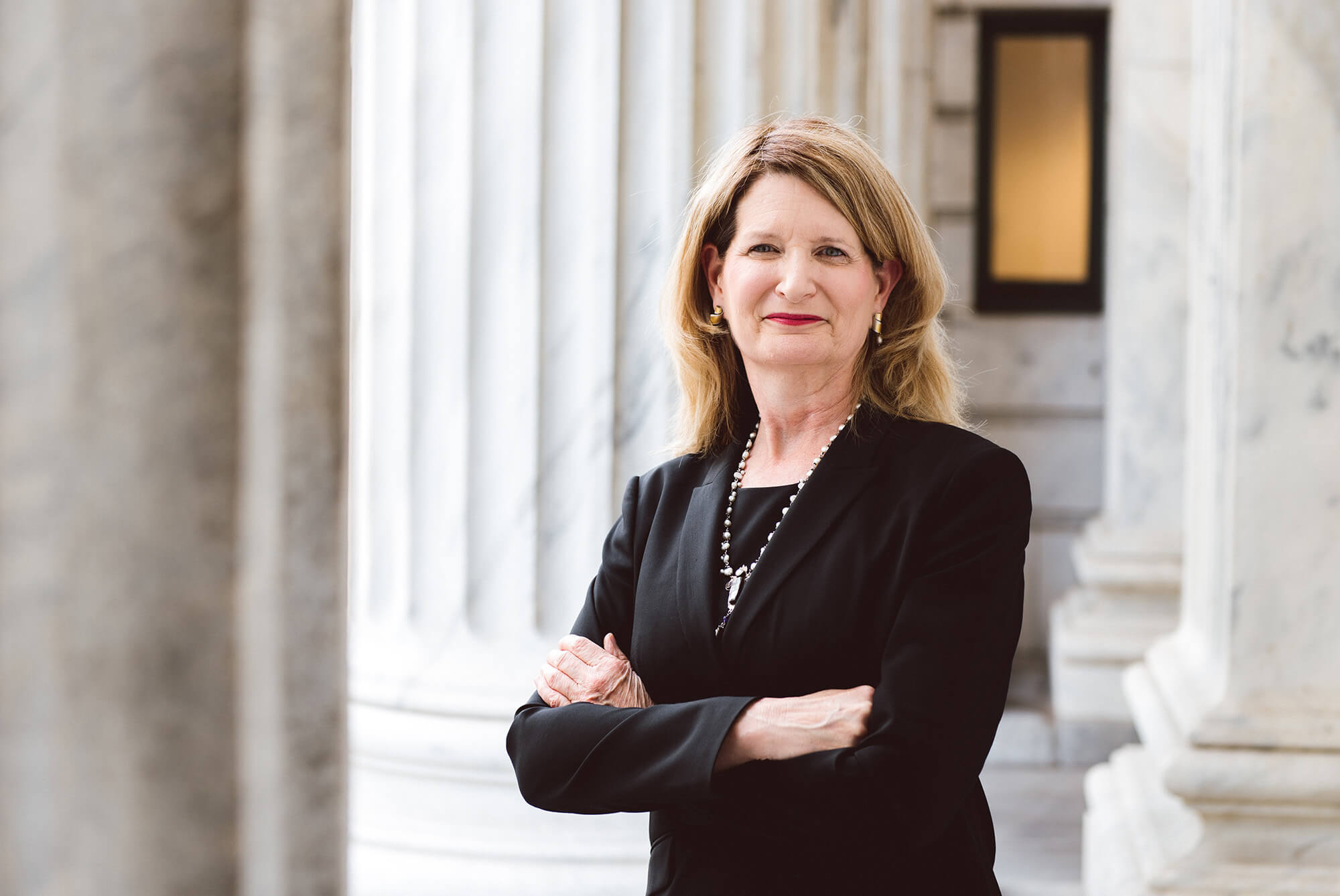
Allyson Hughes — Board Certified Tampa Bay Divorce Attorney
Who we work with

Whatever you do for a living, your career, your income, and your children are at stake.

The Working Professional

A house, a retirement account,
and years of steady work.
That's real. Let's protect it.

You don't own a business. You work for someone else — a company, a school, a hospital, a government agency. Over the years you've built what most people build: equity in a home, contributions to a 401(k) or pension, and an income that supported a household. In a divorce, all of it is on the table.

The house needs to be valued and the equity divided fairly. Retirement accounts accumulated during the marriage are marital assets — even if only one spouse contributed. And if there's a meaningful income difference between you and your spouse, alimony becomes a real question. These aren't exotic legal issues. They are the issues in most divorces, and they deserve the same careful attention as any high-asset case.

Allyson represents clients at every income level across Tampa Bay. She has spent over 30 years in the family courts of Pasco, Hillsborough, Pinellas, and Hernando counties. A straightforward case handled well costs less and ends better than one that gets away from you.

Under Florida § 61.075, all assets and debts accumulated during the marriage — including retirement accounts, home equity, and savings — are subject to equitable distribution regardless of whose name they are in.
The Tradesperson

HVAC. Electrical. Plumbing.
What you earn deserves protecting.

You work for someone else — or you're solo — and you've put in the hours. Your income is your asset. So is your time with your kids. A divorce that doesn't account for how you actually work, what you actually earn, and what a realistic schedule looks like for your life can cost you in ways that last years.

For tradespeople, the financial issues are usually income, the marital home, and whatever's in the retirement account. The parenting issues are often just as important — shift work, irregular hours, and custody schedules that need to reflect how you live, not how a judge imagines you live.

Allyson has represented clients in these situations across Tampa Bay for over 30 years. She gives you a straight picture in the first meeting — what the law says, what your situation looks like, and what a reasonable outcome is. No sugarcoating.

Florida divorce covers both finances and children. Equitable distribution, child support, and parenting plans are all determined in the same proceeding. Getting all three right from the start matters — patching them later costs more.
The High-Asset Client

Deferred compensation. An ownership interest. Executive compensation that accumulated during the marriage.
How each one is characterized determines what gets divided. She knows that territory.

For a corporate executive, a regional director, a car dealership owner, an insurance agency principal, or a real estate agency owner, the equitable distribution question starts with identifying what's marital and what isn't — and for complex compensation and ownership structures, that question requires real expertise to answer correctly. For a corporate VP, a regional director, a dealership owner, or an agency principal, the W-2 is only the beginning. The rest of the compensation structure — deferred compensation, restricted stock units, stock options, ownership distributions — and how it's characterized determines what gets divided.

Each of these has a different answer under Florida law — and the answer depends on how the asset is characterized, when it was acquired, how it was funded, and what role each spouse played in its growth. Getting those characterizations right before anyone sits down to negotiate is what determines which assets are in play and which aren't.

Allyson has represented executives and business owners through complex equitable distribution disputes across Tampa Bay. She has the forensic accounting relationships to move carefully on valuation and characterization. The income and asset picture is more complex here, and she handles that complexity with the same care and diligence that she handles everything else.

Under § 61.075, assets acquired or enhanced during the marriage through either spouse's efforts are subject to equitable distribution. For executive compensation — deferred compensation, stock options, restricted stock units — whether and to what extent they are marital depends on the specific vesting schedule, funding source, and timing relative to the marriage.
The Healthcare Professional

RN to physician.
The income calculation and the retirement division require someone who understands how a healthcare career actually builds wealth.

Whether you are a staff nurse, a CRNA, a physician's assistant, or an employed physician, the assets at stake in your divorce are similar: years of retirement contributions, a 403(b) or pension, and an income that may be significantly higher than your spouse's. Those facts drive two of the most contested issues in any divorce — equitable distribution of retirement accounts and alimony.

Retirement accounts accumulated during the marriage are marital assets subject to division under § 61.075. The mechanics of dividing them correctly — through a Qualified Domestic Relations Order or its Florida equivalent — require precision. Done wrong, the tax consequences alone can cost you thousands.

On alimony, Florida's 2023 reforms cap durational awards at 35% of the net income difference between spouses. That cap matters enormously when one spouse earns a healthcare salary and the other does not. Allyson has argued these calculations in Pasco, Hillsborough, Pinellas, and Hernando counties — she knows how these courts apply the numbers.

Under Florida's 2023 alimony reforms, durational alimony cannot exceed 35% of the difference between the parties' net monthly incomes. For healthcare professionals with significant income, precise calculation is important — it affects both the alimony award and how retirement assets get divided.
The Trades Business Owner

You built it from nothing.
Divorce shouldn't take more than the law allows.

HVAC, electrical, plumbing, construction — you built something real and you've reinvested in it year after year. In a divorce, the business is on the table. Equipment, accounts receivable, customer lists, the value of your name in the market — all of it can be drawn into equitable distribution if it isn't argued carefully.

The valuation question for a trades business is often more straightforward than for a medical practice, but the stakes are just as real. We also look at how the business was funded. If marital money went into it, some portion may be a marital asset. The goal is an honest accounting — not a fight for the sake of one.

Most of these cases settle. The ones that don't, Allyson is ready for. She has tried business valuation disputes in Pasco, Hillsborough, Pinellas, and Hernando counties and has the forensic accounting relationships to move carefully when timing matters.

Business valuation in divorce typically requires a neutral forensic accountant. Allyson has relationships with Tampa Bay-area experts who specialize in small and mid-size business valuations and can move quickly when timing matters.
The Medical Professional

Your practice is worth something.
So is protecting it.

You've spent years building a medical practice — a dental office, a specialty group, a private clinic. It has real value, and in a Florida divorce, that value is subject to equitable distribution. The question isn't whether your practice will come up. It's whether you have someone who understands how it gets valued.

Florida courts distinguish between enterprise goodwill — the value of the practice itself — and personal goodwill, which attaches to you personally and is generally not a marital asset. That distinction matters enormously. Without an attorney who knows how to draw that line and has relationships with the right forensic accountants, you may give up more than the law requires.

There are also questions of timing: did the practice grow during the marriage? Were marital funds used to build it? These aren't hypothetical. They are the conversations Allyson has in the first meeting — in the courts of Pasco, Hillsborough, Pinellas, and Hernando counties where she has tried these cases.

Under Florida Statute § 61.075, marital assets are subject to equitable distribution. What qualifies as marital vs. non-marital — and how professional practices are valued — depends heavily on the facts of your case and how they are argued.
The Gray Divorce

Thirty years of marriage. Retirement on the horizon.
Florida law governs both — and a good outcome requires handling them at the same time.

Whether you're 55, 65, or 75, ending a long marriage means more than dividing up a household. The retirement plan was built for two. The pension was earned over decades together. Social Security timing was designed around a future you no longer share. All of it has to be sorted out — and in a gray divorce, equitable distribution and alimony don't get decided in isolation. They get decided together, and the order matters.

For the higher earner approaching retirement, the question is what the financial picture looks like when income drops and assets start being drawn down. For the lower earner — often the spouse who stepped back from work to support the marriage — the question is whether what they're receiving is enough to support them for the next twenty or thirty years. Both sides need those numbers done carefully before agreeing to anything.

Social Security ex-spouse benefits, health insurance in the years before Medicare, the order in which retirement accounts get drawn down for tax purposes — none of it gets handled by accident. Allyson has worked through the full financial structure of long-marriage divorces across Pasco, Hillsborough, Pinellas, and Hernando counties for over thirty years. She knows what the right picture looks like and how to build the case for it.

Under § 61.075, all retirement assets accumulated during the marriage are subject to equitable distribution. Under § 61.08, durational alimony for a long-term marriage (20+ years) is capped at 75% of the marriage length. For gray divorces, the interaction between asset division and alimony requires careful planning — what you take in assets affects what you need in support, and vice versa.

Rather than sugar-coating things, she gave me a realistic evaluation of my situation — which was not what I wanted to hear at that moment, but something I needed to. In court she was well-prepared and the judge respected her.

Brett  —  Hughes Law Group Client

How the
process
works.

Florida divorce law has specific timelines and requirements. Allyson prepares you for each step — so nothing catches you off guard and no opportunity is missed.

01
First conversation

A consultation where Allyson listens to your situation and gives you a realistic picture of what to expect — not what you want to hear, what you need to know. No sugarcoating.

02
Financial disclosure

Under Florida law, both parties must exchange mandatory financial disclosure within 45 days of the petition being served. We guide you through this carefully — it sets the foundation for everything that follows.

Florida Family Law Rule 12.285
03
Temporary relief, if needed

Support, timesharing, and asset protection don't have to wait months for a final hearing. Temporary relief mediation typically occurs within 6–10 weeks of filing. We prepare you thoroughly to make the most of it.

04
Negotiation or trial

Most cases settle through negotiation and mediation. When they don't, Allyson is an experienced trial attorney — former Co-Chair of the Florida Bar's Matrimonial Trial Advocacy program. She prepares every case as if it's going to trial, because sometimes it does.

Start the conversation

30+ years in Florida family courts.
Ready to hear your situation and tell you where you stand.

Board Certified. 30+ years. Ready to hear your situation and tell you the truth about it.

Schedule a Consultation (727) 842-8227