

Contact Us
High Net Worth Divorce Attorney, Pasco County

She has handled estates like yours for decades.

Fellow of the American Academy of Matrimonial Lawyers, one of fewer than a hundred in Florida.

A business, a professional practice, executive compensation, investment property, a layered retirement estate. Assets like these are identified, valued, and characterized as marital or separate before they are divided, and the result rests on getting each number right.

She can't control the courts. She can promise you won't lose sleep wondering if someone's on top of it.
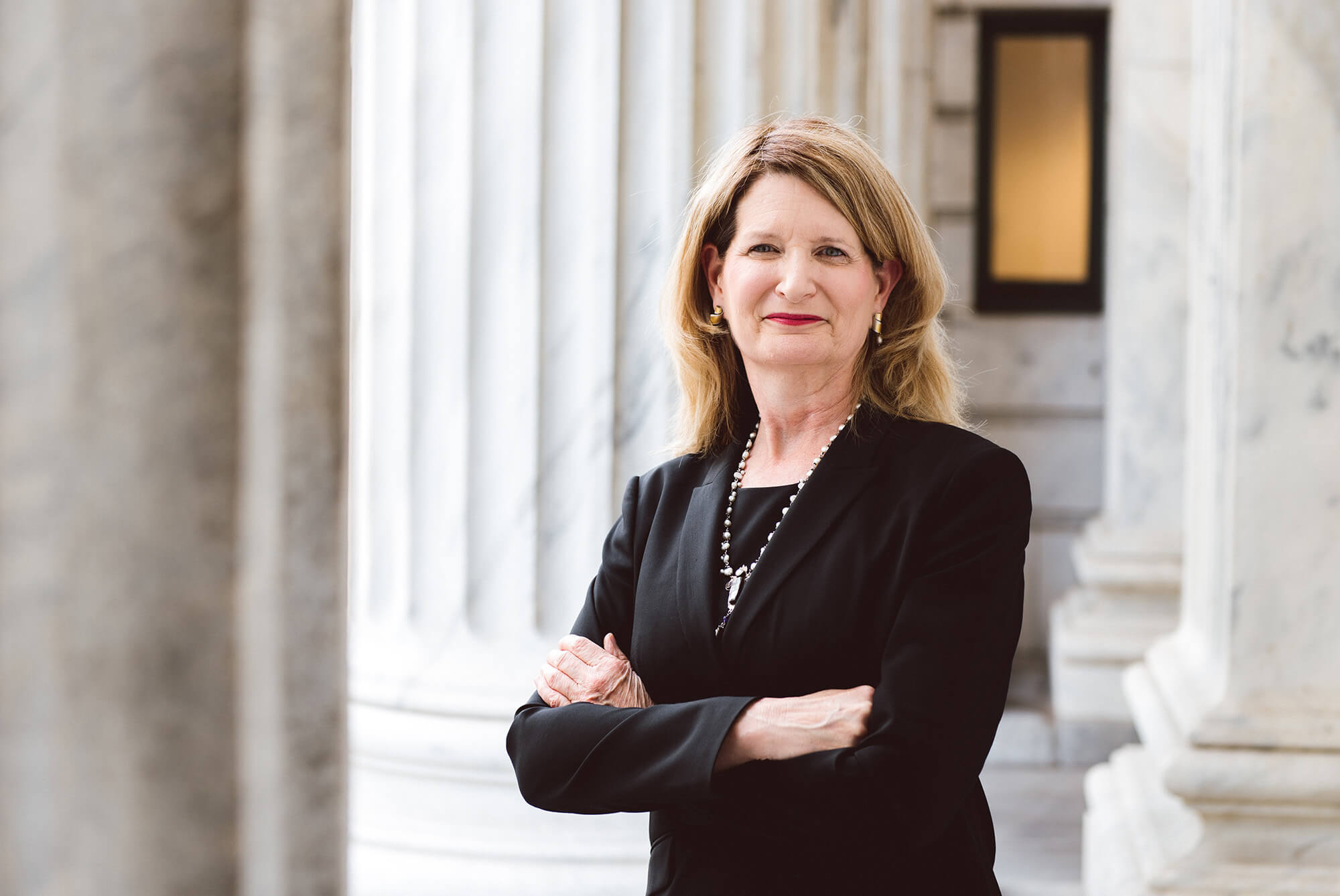
Pasco County high net worth divorce attorney Allyson Hughes, Board Certified in Marital and Family Law
Board Certified — Marital & Family Law
AAML Fellow
AV Preeminent
Past Chair, Family Law Section, The Florida Bar

An appraiser sets the numbers. Allyson argues what they mean for you.

Board Certified in Marital and Family Law, and one of approximately 100 Florida attorneys selected as a Fellow of the American Academy of Matrimonial Lawyers. Find your situation below.

Who We Work With

The people Hughes Law Group represents in a Florida high net worth divorce.

The Business Owner

The business is usually the largest thing the marriage holds, and how it is valued decides what each spouse walks away with. Allyson argues that valuation and the line between what the marriage shares in the company and what stays separate.

She represents business owners and their spouses across Pasco, Hillsborough, Pinellas, and Hernando counties, and argues the value that decides whether one spouse buys out the other or the company is sold.

The Professional Practice Owner

A practice is built on one person's name and license, which is what makes its worth so hard to fix and so easy to fight over. Allyson argues where the marriage's share of the practice ends and the professional's separate interest begins.

She argues that line for a physician, dentist, attorney, or accountant whose practice is the contested asset, and represents practice owners and their spouses across Pasco, Hillsborough, Pinellas, and Hernando counties.

The Executive with Equity Compensation

Equity earned across a career can be pulled into the marital estate or kept separate, and the difference is often substantial. Allyson argues which of an executive's grants are marital and which are separate, on whichever side of that line her client stands.

The award and vesting dates on each grant decide it. She represents executives and their spouses across Pasco, Hillsborough, Pinellas, and Hernando counties, and establishes what the equity is worth to each of them.

The Spouse Facing a Disputed Accounting

When one spouse handled the money, the other can be left unsure what the marriage even holds. In a high asset divorce the accounting settles that, and it has to be right before anything is divided. Allyson argues it from her client's side, whether that means pressing for a fuller accounting or testing a claim that overstates the estate.

She represents clients on both sides of a disputed accounting across Pasco, Hillsborough, Pinellas, and Hernando counties, and holds the financial record to what the evidence supports.

The High Net Worth Retiree

Late in life the settlement has to last, because there are fewer years to rebuild what a divorce divides. A retirement-stage estate runs deep: multiple retirement and brokerage accounts, deferred and tax-advantaged holdings, and investment property, each dividing differently and each carrying its own tax.

Allyson weighs the order of division and the tax exposure for her client, so the settlement holds its value after the taxes are paid. She represents clients with substantial retirement-stage estates and their spouses across Pasco, Hillsborough, Pinellas, and Hernando counties.

In Depth

How a high net worth divorce is handled.

Identifying and valuing a complex marital estate

Allyson begins a high asset case by establishing what the marriage holds, because a large estate divides fairly only when it is fully known. Under § 61.075, the marital assets are those acquired during the marriage, and a substantial estate spans many forms: closely held business interests, deferred and equity compensation, investment and rental real estate, brokerage and retirement accounts, and personal property such as art, collections, and vehicles.

Where one spouse managed the finances, the accounting is often contested: one presses for tracing and fuller disclosure, the other answers that obligation and tests a claim that overstates the estate. Whichever posture her client takes, Allyson retains the forensic accountants these cases call for and presses the accounting on her client's behalf. Real property is appraised on its own terms, its rental income weighed as both an asset and a stream that bears on support, and any appreciation during the marriage examined for the part that is marital. The capital gains on a sale, and the tax each spouse carries forward, are settled before the property is divided.

Allyson holds the division to an accurate picture of the whole estate. She represents clients across Pasco, Hillsborough, Pinellas, and Hernando counties.

Under § 61.075, Florida Statutes, marital assets and liabilities are subject to equitable distribution from a presumption of equal division, and § 61.075(3) requires written findings on the value of significant marital assets. Whether an asset is marital, separate, or partly both depends on when it was acquired, how it was funded, and how it grew during the marriage.

Business interests, professional practices, and equity compensation

A business or professional practice is usually the largest asset in the case and the one most contested, and its worth is rarely agreed at the outset. Allyson separates the enterprise goodwill Florida treats as marital from the personal goodwill that stays with the person who built the reputation, and she presses to normalize an owner's compensation, since owners can pay themselves in ways that understate or overstate true earnings. She argues a method of valuation suited to the business, an operating company, a medical or dental practice, or a closely held family firm.

Executive pay follows the same logic: restricted stock, stock options, restricted stock units, and deferred compensation vest on schedules that begin before the marriage and end after the filing date, and only the portion earned during the marriage is marital. Allyson retains the valuation experts these assets require and rebuts a valuation unsupported by the evidence. Once that is settled, the business passes through a buyout by one spouse or a sale.

Allyson represents business owners, practice owners, executives, and their spouses across Pasco, Hillsborough, Pinellas, and Hernando counties.

Under § 61.075, Florida Statutes, the increase in value of a business during the marriage, and enterprise goodwill, are generally marital and subject to equitable distribution; personal goodwill tied to an individual is generally non-marital. Valuation of a closely held business or practice typically requires expert testimony.

Alimony, support, privacy, and tax in a high asset divorce

Florida's 2023 reform caps durational alimony at the recipient's reasonable need or at thirty-five percent of the difference between the parties' net incomes, whichever is less. Both figures are difficult to establish in a high asset divorce, where need is measured against the standard of living the marriage built and net income reaches beyond a single salary.

Allyson establishes both for her client. Child support follows the statutory guidelines, and for high earners a court can order an amount above the guideline schedule to meet a child's established needs, including private school and the activities the family supported.

Privacy and tax shape these cases as much as the numbers. Florida courts offer mechanisms to keep sensitive financial detail out of the public record, which Allyson pursues where confidentiality is a concern, and the way each asset is split, a retirement account, an appreciated property, a business interest, sets the tax each spouse carries forward. Allyson argues the support, privacy, and tax questions alongside the property division, because in a substantial estate each decision moves the others. The 2023 alimony framework under § 61.08 governs the support side of these cases.

Under § 61.08, Florida Statutes, durational alimony may not exceed the recipient's reasonable need or thirty-five percent of the difference between the parties' net incomes, whichever is less. Section 61.30 sets the child support guidelines, and a court may order support above the guideline amount based on the child's needs and the parents' resources.

She gave me a realistic evaluation of my situation, not what I wanted to hear at that moment, but something I needed to. In court she was well-prepared and the judge respected her.

Brett, Hughes Law Group Client

Florida High Net Worth Divorce

Put a Board Certified family law attorney on your case.

Board Certified in Marital and Family Law, Fellow of the American Academy of Matrimonial Lawyers, and Past Chair of the Florida Bar Family Law Section.

Schedule a Consultation